Journal
The Right Water Temperature for Instant Coffee: A Practical Guide
By The Africafe TeamPublished Updated
For instant coffee, use hot water that is just off the boil, roughly 175-195°F. Freeze-dried instant is already brewed, so it only needs to dissolve, and slightly cooler water usually tastes smoother and less bitter. Treat this range as a starting point and adjust to your own taste.
The Short Answer: What Temperature Should Water Be for Instant Coffee?
Aim for hot water that is just off the boil, roughly 175-195°F (about 80-90°C). That is a little cooler than a kettle straight off a rolling boil, which sits at 212°F at sea level. In practice, you can boil the water and let it rest briefly before pouring.
Think of this range as a starting point, not a rule. Some people like a slightly hotter cup, some prefer it gentler, and the coffee you use matters too. Once you know the range, a few small tweaks will help you land on the cup you like best.
Why Water Temperature Changes the Taste of Instant Coffee
Temperature affects how a coffee tastes in your mouth. Very hot water can push a cup toward sharper, more bitter notes and flatten the gentler flavours that make a coffee interesting. If your instant ever tastes harsh or burnt even though you did not use much coffee, water that is too hot is a common suspect.
Water that is too cool has the opposite problem. Coffee crystals dissolve more slowly and less evenly, so the cup can taste thin, and you may see undissolved bits at the bottom. The sweet spot sits between the two: hot enough to dissolve quickly and fully, but not so hot that it overwhelms the flavour.
This is a general principle of how heat and flavour interact, and individual taste varies. Your own palate is the final judge.
Instant vs. Brewed: Why the Rules Are Different
With brewed coffee, hot water has a job to do: it extracts flavour from ground beans. That is why pour-over and drip guides care so much about temperature and timing. The water has to pull out the good stuff without over-extracting the bitter stuff.
Freeze-dried instant coffee has already been brewed and dried. Your water does not need to extract anything, only to dissolve what is already there. That makes instant far more forgiving, and it is why a full boil is not necessary. You are free to pour a little cooler and focus on the cup that tastes right to you.
How to Hit the Right Temperature Without a Thermometer
You do not need any special gear. The easiest method is to boil the kettle, then let it sit with the lid closed for a minute or two before pouring. The exact time depends on your kettle, your kitchen and how much water you boiled, so treat it as a rough guide and adjust.
If you own a variable-temperature kettle, set it somewhere in the 175-195°F range and you are done. If not, these simple habits work well:
- Boil the kettle, then wait about a minute or two before pouring.
- Pour the boiled water into your mug first, then into the coffee. The mug takes a little heat out of it.
- Fill the kettle with only the water you need, which makes timing more predictable.
- Add a small splash of cool water to the mug if the pour still seems too hot.
- Taste, note what you did, and repeat what worked.
Step-by-Step: Making a Smooth Cup With Africafe Tanzanian Instant
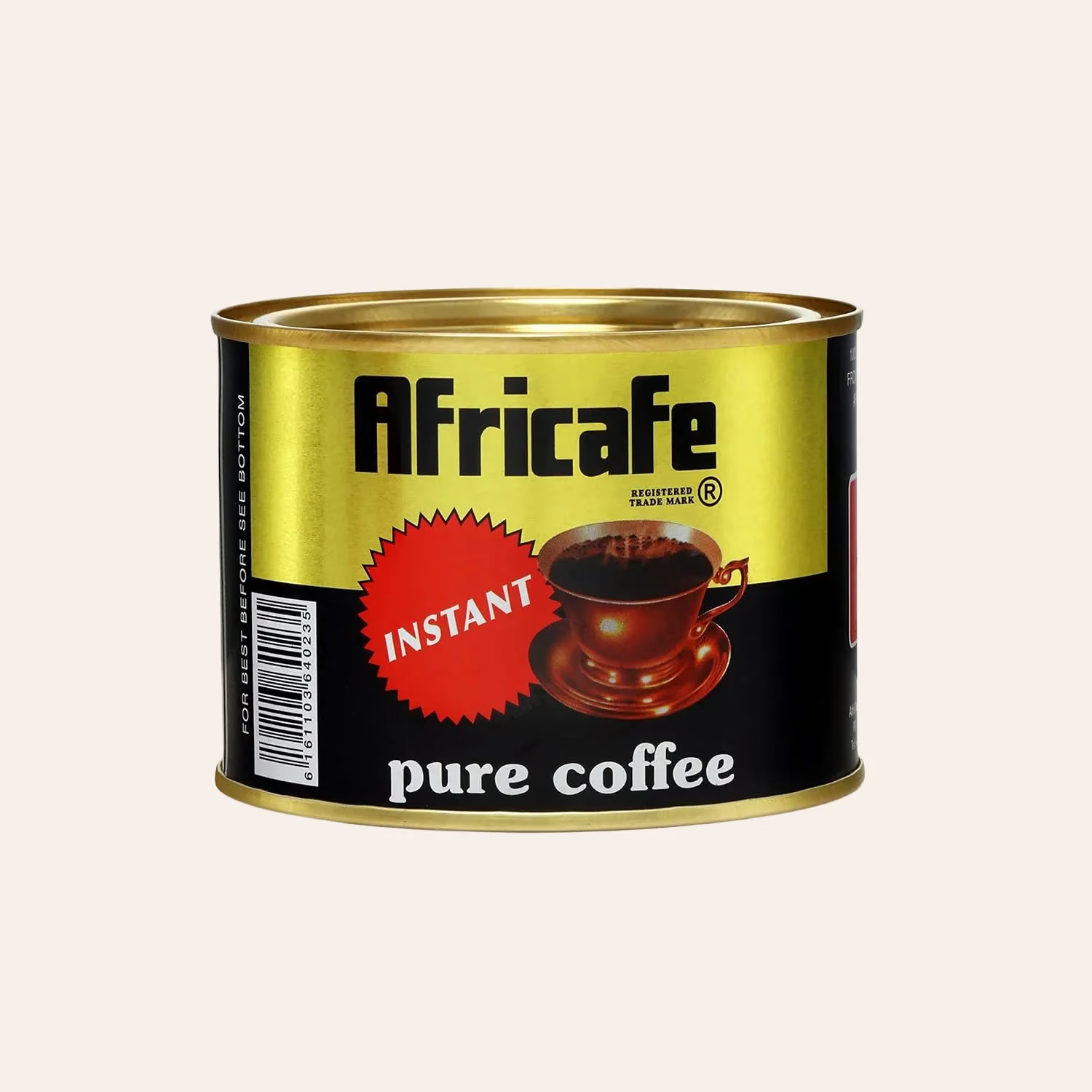
Africafe is a 100% Arabica and Robusta blend grown on the volcanic slopes around Mount Kilimanjaro in Tanzania, and it is naturally low in acidity. That gentle character is exactly why a slightly cooler pour suits it: you are letting a smooth coffee stay smooth. The same method works for the 100g tin and the 250g tin.
Here is a simple method to start from, then tweak to taste:
- Boil fresh water and let it rest for a minute or two.
- Add a level teaspoon of Africafe to your mug as a starting amount.
- Pour in a small splash of the hot water and stir until the granules dissolve into a smooth, dark base.
- Top up with the rest of your water, leaving room if you take milk.
- Taste it. Add a little more coffee for a stronger cup, or a little more water for a milder one.
Cold and Iced Coffee: When Temperature Goes the Other Way
Africafe dissolves in hot or cold water, which makes it easy to turn into a cold drink. For a quick cold cup, stir a spoonful straight into cold water and keep stirring until the granules disappear. It may take a little longer than in hot water, so give it a minute.
For iced coffee with a more even result, dissolve your spoonful in a small splash of warm water first, then add cold water or milk and pour over ice. Dissolving in warm water first gives you a smooth concentrate, so you do not end up chasing granules around a glass of ice.
Water Temperature for Cappuccino and 3-in-1 Sachets
Pre-mixed sachets are designed for hot water and a good stir. Each 18 gram sachet of the Africafe Instant Cappuccino Mix or the 3-in-1 Instant Coffee Mix already contains coffee, creamer and sugar, so there is nothing to measure.
You do not need water at a full boil. Slightly cooler hot water still dissolves the sachet and keeps the cup pleasant, and with the cappuccino mix it lets you stir to a frothy top without the drink tasting scorched. Empty the sachet into the mug, pour in the hot water and stir for a few seconds until everything is blended.
Travel, Camping and Office Tips for Getting the Temperature Right
Away from your own kitchen, you usually cannot control the water precisely, but you can adapt. Single-serve travel sticks are handy here because each one is a ready portion, so you only have to manage the water.
A few practical tips for different situations:
- Camp stove: take the pot off the heat as soon as it boils and wait a minute before pouring.
- Hotel kettle: these often boil hard, so pour into the mug and let it sit briefly before adding the stick.
- Office dispenser: the water is often very hot, so add a splash of cool water, or pour the hot water in first and stir in the coffee after a moment.
- If the water is still too hot, simply add a little more cool water to the cup.
- If it has cooled too much, pour in a small splash of hot water and stir well.
Does Altitude or Water Quality Matter?
Altitude matters mostly for campers. Water boils at a lower temperature the higher you go, by roughly a degree Fahrenheit for every 500 feet. That means water straight off the boil on a mountain is already cooler than at sea level, so you may not need to wait before pouring.
Water quality matters for any coffee. Clean-tasting water makes a cleaner-tasting cup, while water with a strong smell or taste will come through in the mug. If your tap water has a noticeable flavour, filtered or bottled water is worth trying.
Troubleshooting: Bitter, Weak, Clumpy or Flat Cups
Most problems with instant coffee come down to temperature, amount or stirring. Use this quick guide to work out which one to change first.
- Bitter or harsh: the water may be too hot, or you may be using too much coffee. Let the kettle rest longer and try a slightly smaller spoonful.
- Weak or thin: the water may be too cool, or you may need more coffee. Use hotter water and add a little more coffee.
- Clumpy: the granules were not dissolved properly. Dissolve them in a small splash of hot water first, then top up.
- Flat or dull: the water may be too cool, or the coffee may be too diluted. Try a hotter pour and less water.
- Undissolved bits at the bottom: stir for longer and make sure the water is warm enough.
Quick Reference: Temperature Cheat Sheet
Use these as starting points and adjust to taste. Your kettle, mug and palate will all nudge the ideal one way or the other.
- Black hot coffee: 175-195°F, dissolved in a small splash first, then topped up.
- Coffee with milk: 175-195°F water, then add warm or cold milk to taste.
- Cappuccino and 3-in-1 sachets: hot water just off the boil, stirred until frothy and smooth.
- Iced coffee: dissolve in a little warm water first, then add cold water or milk and ice.
- Quick cold cup: stir directly into cold water until dissolved.
- Travel sticks on the go: hot water that has rested briefly, or add a splash of cool water if it is too hot.
- What is a good water temperature for instant coffee?
- A good starting range is roughly 175-195°F, which is hot water just off the boil. Instant coffee is already brewed, so it only needs to dissolve. Adjust the temperature slightly up or down to match your own taste.
- Can you use boiling water for instant coffee?
- Yes, you can, and many people do. But boiling water is not required, and a slightly cooler pour often tastes smoother. If your cup tastes harsh, let the kettle rest for a minute or two before pouring.
- Does boiling water make instant coffee bitter?
- It can. Very hot water can emphasise bitterness and flatten gentler flavours. Using a little too much coffee can also cause bitterness, so try both a short rest for the kettle and a slightly smaller spoonful.
- How long should I let the kettle cool before making instant coffee?
- A minute or two after boiling is a good place to start. The exact time depends on your kettle, the room and how much water you boiled. Taste the result and adjust the wait next time.
- Can you make instant coffee with cold water?
- Yes, Africafe dissolves in cold water as well as hot. Stir the granules into cold water for a little longer than you would with hot. For a more even result, dissolve them in a splash of warm water first.
- Can you make instant coffee with lukewarm water?
- You can, but the coffee may dissolve slowly and taste thinner than a hot cup. If you prefer a gentler drink, dissolve the coffee in a little hot water first and then top up with cooler water.
- Why is my instant coffee clumpy?
- Clumps usually mean the granules did not dissolve fully. Add the coffee to the mug, pour in a small splash of hot water and stir to a smooth paste before adding the rest of the water.
- Should I add the water or the milk first?
- Either works, and it comes down to preference. Many people dissolve the coffee in a little hot water first, then add the rest of the water and finish with milk. That way the coffee dissolves fully before the milk cools the cup.
- What water temperature works well for a cappuccino mix?
- Hot water just off the boil works well. The sachet already contains coffee, creamer and sugar, so stir until it dissolves and froths. Slightly cooler hot water still dissolves it and keeps the cup pleasant.
- Does water temperature affect low-acid coffee differently?
- The same principles apply to any coffee. With a naturally low-acid, smooth coffee like Africafe, a slightly cooler pour helps keep that gentle character instead of pushing the cup toward harshness.
- How do I make instant coffee when camping at altitude?
- Water boils at a lower temperature at altitude, so water straight off the boil is already cooler than at sea level. You can usually pour right away. If it seems too weak, add a touch more coffee.
- How many spoonfuls of instant coffee should I use per cup?
- A level teaspoon is a reasonable starting point for a standard mug. Add a little more for a stronger cup or a little less for a milder one. Single-serve travel sticks give you a ready-measured portion.
- Does Africafe instant coffee dissolve in cold water?
- Yes. Africafe dissolves in hot or cold water. For iced coffee, it helps to dissolve it in a small splash of warm water first and then add cold water or milk and ice.
- Do I need a thermometer to make good instant coffee?
- No. Boil your kettle and let it rest for a minute or two before pouring, and you will land in the right range. A variable-temperature kettle is handy but not necessary.
From the Africafe range

Instant Coffee · Low Acid Tanzanian Gold
$15.99$19.99Save 20%$15.99 per 100 g
Instant Coffee · Smooth Low Acid Tanzanian Gold
$27.99$29.99Save 7%$11.20 per 100 g
Instant Coffee Packets · Low Acid Tanzanian Travel Sticks
$14.99$37.48 per 100 g
Instant Cappuccino Mix · Frothy & Creamy Tanzanian Coffee Sachets
$14.99$6.94 per 100 g